Imagine being asked to write a story that explains where your entire civilization came from. No pressure, right? That was basically the task given to the Roman poet Virgil in the first century BCE. His solution was the Aeneid, a grand epic about destiny, war, wandering, and one very patient Trojan hero.
The story begins with one of the most famous lines in Latin literature: arma virumque cano — “I sing of arms and the man.” Right away, Virgil tells readers two things: there will be war, and there will be a hero. That hero is Aeneas.
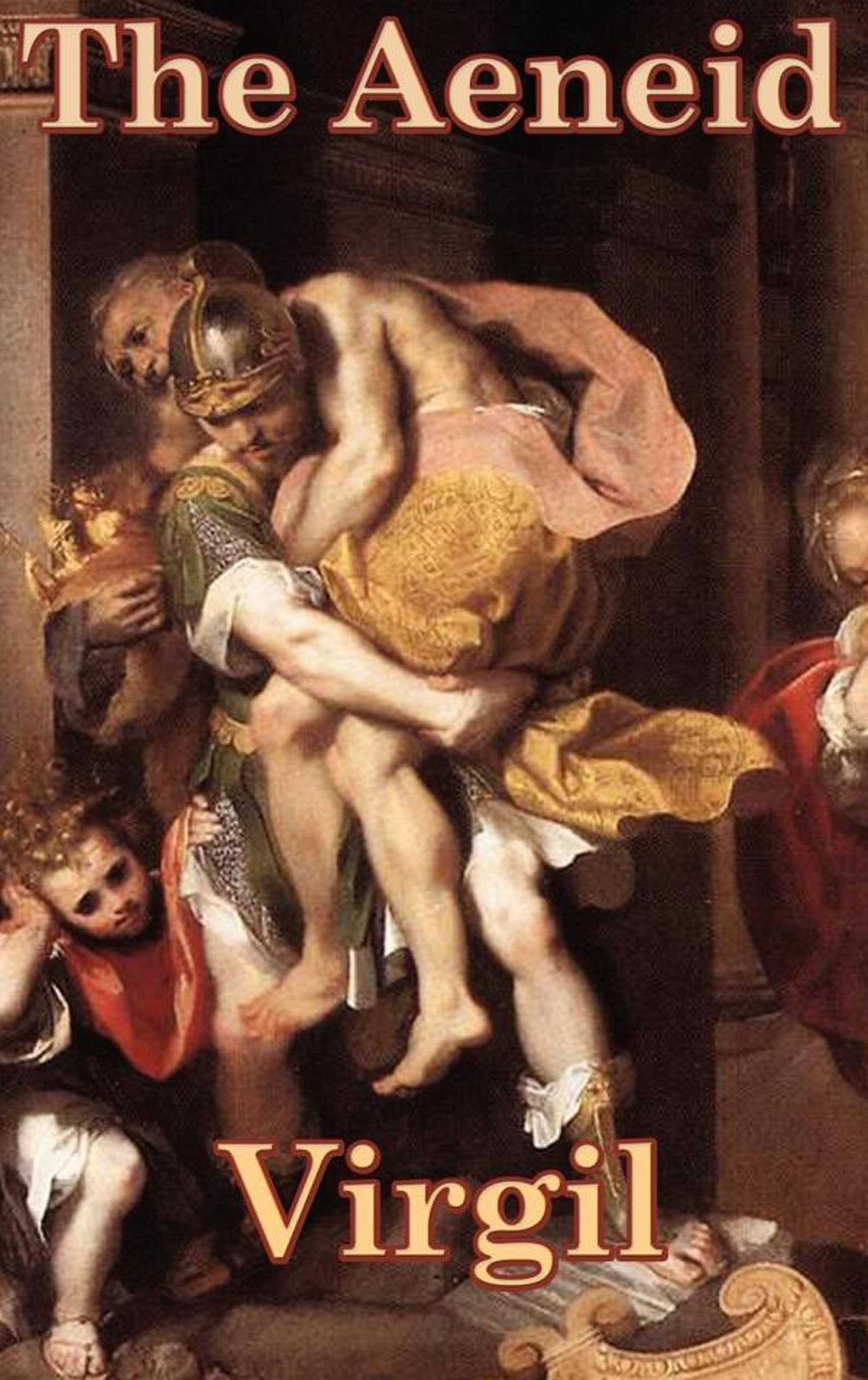
Aeneas is not just any hero. He is a survivor of the Trojan War. When the city of Troy burns, Aeneas escapes carrying his elderly father on his shoulders and leading his young son by the hand. It is a powerful image: the past on his back and the future by his side.
But escaping Troy is only the beginning of his problems.
Like many epic heroes, Aeneas spends years wandering the Mediterranean. Storms blow his ships off course, enemies appear everywhere, and the gods seem to treat him like a toy in a cosmic board game. At one point, he lands in Carthage and meets Queen Dido. Their relationship is dramatic, romantic, and doomed. When Aeneas eventually leaves to continue his mission, Dido is heartbroken. Ancient drama at its finest.
If all of this sounds a bit familiar, that is because Virgil was inspired by Homer. The first half of the Aeneid resembles the wandering adventures of the Odyssey, while the second half resembles the battles of the Iliad. Virgil essentially combined both styles into one Roman masterpiece.
But the Aeneid is more than an adventure story. It is also about destiny. Aeneas is constantly reminded that he has a mission from the gods. His job is to travel to Italy and begin the line of people who will eventually build Rome. In other words, he is not just saving himself; he is helping to create a future empire.
This sense of duty is summed up in one key Roman idea: pietas. The word does not just mean “piety.” It refers to loyalty to the gods, to family, and to one’s responsibilities. Aeneas often sacrifices his own happiness because he believes he must follow fate. If Roman values had a poster child, it would probably be Aeneas.
Virgil was writing during the reign of Augustus, the first emperor of Rome. Augustus had recently ended years of civil war and was trying to bring stability back to Roman society. The Aeneid helped support this political moment by connecting Rome’s origins to heroic destiny. In the poem, the future glory of Rome, and even Augustus himself, is hinted at as part of a divine plan.
Of course, Virgil does not present everything as simple propaganda. The epic is full of tragedy and difficult choices. War brings suffering, and victory often comes at a heavy cost. The final scene of the poem is surprisingly intense and emotional, reminding readers that history is rarely neat or comfortable.
What makes the Aeneid so powerful is that it blends myth, politics, and human emotion. There are gods, monsters, storms, and heroic battles. But there are also moments of doubt, grief, and moral struggle.
Even today, more than two thousand years later, the story still resonates. The image of a refugee searching for a new home, the tension between personal desire and public duty, and the dream of building a better future are themes that still feel relevant.
Virgil may have been writing about ancient heroes, but he was also asking timeless questions about responsibility and destiny. In the end, the Aeneid reminds us that great civilizations often begin with long journeys — and a hero who refuses to give up. Or, as the Romans might say: fata viam invenient — “fate will find a way.”