In the dangerous world of ancient Roman politics, power did not always come from armies or speeches in the Senate. Sometimes, it came from a small vial of poison. Among the most feared figures connected to this shadowy side of Roman life was a woman named Locusta. Though not a general or a politician, Locusta became infamous as one of the most notorious assassins in Roman history.
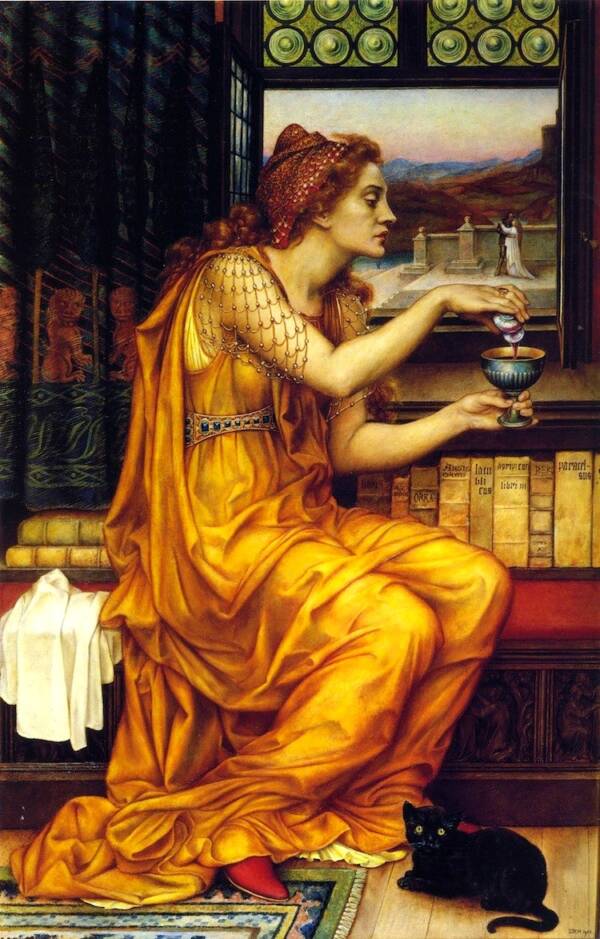
Very little is known about Locusta’s early life. Ancient sources suggest she came from Gaul, a region north of Italy that had been conquered by Rome. By the first century AD, she had arrived in the city of Rome and gained a reputation for her unusual skill: preparing deadly poisons. In a society where political rivalries could be deadly, her knowledge was both dangerous and valuable.
Roman writers often used the phrase venenum to describe poison. In the ancient world, poisoning was both feared and strangely common. Unlike open violence, poison worked quietly. A rival could fall ill suddenly, and the cause might remain hidden. This made poison a powerful weapon in political conspiracies.
Locusta’s story truly begins during the reign of Emperor Claudius. According to the Roman historian Tacitus, Claudius’s ambitious wife, Agrippina the Younger, wanted her son Nero to become emperor. But Claudius already had a son of his own, Britannicus, who stood in Nero’s way. Agrippina needed a solution—and that is where Locusta entered the story.
Agrippina reportedly hired Locusta to prepare a deadly poison for the emperor. The plan was carefully arranged. Claudius was served a dish of mushrooms, his favorite food. Somewhere in that meal was Locusta’s poison. Ancient writers later joked darkly that mushrooms became known as the “food of the gods” because Claudius supposedly became a god after dying from them. Shortly after the meal, the emperor fell ill and died in AD 54. Nero quickly became the new ruler of Rome.
For Locusta, the crime did not lead to punishment. Instead, it brought reward. Nero valued her skills and granted her protection from the law. In fact, when Locusta was later arrested for other poisoning crimes, Nero personally ordered her release. According to the historian Suetonius, Nero even gave her a large estate and students so she could teach others the art of preparing poisons.
Locusta became something like the empire’s official poison expert. Her most infamous role came a few years later. Nero had grown suspicious of his stepbrother, Britannicus, who was still a potential rival for the throne. During a banquet in AD 55, Britannicus suddenly collapsed after drinking wine. The cause was poison—once again prepared by Locusta. The event shocked those present, but Nero showed little concern. Ancient historians describe the moment with chilling calm. When Britannicus died, Nero simply claimed the young man had suffered from epilepsy. In a society ruled by fear, few dared to question the emperor’s explanation.
Yet Locusta’s story did not end with success. After Nero’s death in AD 68, Rome entered a period of chaos known as the Year of the Four Emperors. When the new emperor Galba took power, he began punishing many of Nero’s allies. Locusta was among them. This time, there was no protection from the emperor. Ancient sources say she was publicly executed for her crimes. Some accounts claim she was paraded through the streets before being put to death, a dramatic warning about the dangers of corruption and political murder.
Locusta’s life reveals a darker side of Roman history. Rome is often remembered for its great architecture, military victories, and philosophical ideas. But beneath the surface of imperium Romanum—the vast Roman Empire—politics could be ruthless and deadly.
Her story also reminds us how women in ancient history sometimes found power in unexpected ways. While most Roman women were excluded from formal political roles, figures like Agrippina and Locusta still influenced events from behind the scenes. Their methods were controversial, but their impact was real.
Today, Locusta remains a mysterious and unsettling figure. Was she simply a criminal who sold poison to the highest bidder? Or was she a tool used by powerful rulers in a brutal political system? Whatever the answer, her reputation as Rome’s most infamous poisoner has endured for nearly two thousand years. In the dangerous world of Roman politics, the quiet power of venenum could change the fate of emperors.